
⸺ On this page
1. The five statutory probate courts
2. What these courts hear
3. Where to file, and why venue matters
4. What to expect at your hearing
5. Deadlines that apply in every Harris County case
6. Surrounding counties
7. Frequently asked questions
The five statutory probate courts
| Court | Judge | Location | Phone |
| Probate Court No. 1 | Hon. Jerry Simoneaux | 201 Caroline St., 6th Floor | 832-927-1401 |
| Probate Court No. 2 | Hon. Pamela Medina | 201 Caroline St., 6th Floor | 832-927-1402 |
| Probate Court No. 3 | Hon. Jason Cox | 201 Caroline St., 7th Floor | 832-927-1403 |
| Probate Court No. 4 | Hon. James Horwitz | 201 Caroline St., 7th Floor | 832-927-1404 |
| Probate Court No. 5 | Hon. Fransheneka “Fran” Watson | 1115 Congress St., 5th Floor | 832-927-1405 |
Verify before you rely on this. Probate judges are elected and court assignments, floors, and contact numbers change. This table reflects the courts’ published information as of the review date at the bottom of this page. Confirm current details with the court or the Harris County Clerk before a filing or an appearance.
You do not select your court. Cases are assigned among the five when filed, and related matters involving the same decedent — an heirship proceeding and a later administration, for example — are generally kept together in the court holding the original cause number.
What these courts hear
Statutory probate courts in Texas have jurisdiction well beyond wills. In Harris County these courts handle:
- Decedents’ estates — independent and dependent administrations, muniment of title, and small estate affidavits.
- Determinations of heirship under Estates Code Chapter 202, including appointment of attorneys ad litem for unknown heirs.
- Will contests and estate litigation — see estate and probate litigation.
- Guardianships of the person and of the estate, including guardianship litigation.
- Trust proceedings and actions involving trustees.
- Mental health matters and court-created management trusts.
Why the dedicated bench matters to you. Judges who hear probate all day are fast and consistent on routine matters. An uncontested muniment of title or an unopposed administration moves efficiently in these courts, which is part of why Texas probate costs what it does.
Where to file, and why venue matters
Venue for a Texas probate follows the decedent’s domicile — the county they actually lived in and intended as home — not where they died, and not where their property is.
| Situation | Where to file |
| Lived in Harris County, died anywhere | Harris County |
| Lived in Fort Bend or Montgomery County, owned a Harris County rent house | The county of residence — not Harris |
| Lived in a Texas county with no statutory probate court | That county’s constitutional county court or county court at law |
| Non-Texas resident who owned Texas real property | Generally the Texas county where the property is located — ancillary probate |
| Was in a Houston hospital or care facility but domiciled elsewhere | The county of domicile, not Harris |
Filing in the wrong county wastes filing fees and weeks. The care-facility scenario in the last row causes more misfilings than any other, because families reasonably assume the county where their parent spent their final months is the right one.
What to expect at your hearing
01
Before
Application filed with the county clerk and posted for the statutory period. Your attorney confirms the court, the setting, and whether an appearance is in person or remote.
02
During
Bring photo ID, the original will, and the certified death certificate. You give short sworn testimony to the basic proof facts — the decedent died, was domiciled here, the will is the original, and so on.
03
After
You take the oath, letters testamentary issue, and you order certified copies. The statutory clock starts on the day you qualify.
An uncontested hearing is usually a matter of minutes. Families brace for something adversarial and are often surprised by how brief and administrative it is.
Deadlines that apply in every Harris County case
These are statewide statutory deadlines, and they run from your qualification date rather than from the filing date.
| When | What | Authority |
| Within 4 years of death | A will must generally be admitted to probate | § 256.003 |
| Within 1 month of letters | Publish notice to creditors | § 308.051 |
| Within 2 months of letters | Notice to known secured creditors | § 308.053 |
| Within 60 days of the order admitting the will | Notice to beneficiaries named in the will | § 308.002 |
| Before the 91st day after qualifying | Inventory or affidavit in lieu | §§ 309.051, 309.056 |
| Within 180 days of a muniment order | Affidavit stating which terms of the will have been fulfilled | § 257.103 |
Full detail on each is on the executor duties page.
Surrounding counties
We handle probate throughout the Houston region and beyond. Procedures are statewide, but local practice, dockets, and clerk requirements differ from county to county.
| County | Seat | Note |
| Harris | Houston | Five statutory probate courts |
| Fort Bend | Richmond | County courts at law hear probate |
| Montgomery | Conroe | County courts at law hear probate |
| Tarrant | Fort Worth | Statutory probate courts |
| Dallas | Dallas | Statutory probate courts |
Full detail on each is on the executor duties page.
Frequently asked questions
How many probate courts does Harris County have?
Five statutory probate courts — Probate Courts No. 1 through No. 5. Courts 1 and 2 sit on the 6th floor and Courts 3 and 4 on the 7th floor of the Harris County Civil Courthouse at 201 Caroline Street; Probate Court No. 5 sits at 1115 Congress Street. Harris County is one of a small number of Texas counties with dedicated statutory probate courts rather than a constitutional county court handling probate alongside everything else.
Which Harris County probate court will hear my case?
Cases are assigned among the five courts when filed — you do not choose. Related matters involving the same decedent are generally kept together in the court where the original case was filed. Once you have a cause number, the court assignment appears on the county clerk’s records and drives your hearing date and local procedures.
Where do I file probate in Harris County?
With the Harris County Clerk, which maintains the probate records. Filing is by the decedent’s domicile: if the decedent lived in Harris County at death, Harris County is the venue. Someone who lived in Fort Bend, Montgomery, or another county files there instead, even if they owned property in Harris County. Non-residents who owned Texas real property may file where the property is located.
What do the Harris County probate courts handle besides estates?
Statutory probate courts have broad jurisdiction: decedents’ estates and will contests, determinations of heirship, guardianships of the person and estate, mental health matters, trust proceedings, and matters related to those cases. That breadth is why probate practice in Harris County looks different from probate in a county where the county judge hears everything.
How long does the waiting period take before my hearing?
Texas requires the application to be posted by the clerk before the court can hear it, generally about ten days plus the balance of the week. In practice most uncontested Harris County matters are heard within a few weeks of filing, subject to the court’s docket. A muniment of title hearing is often quite short.
What should I bring to a Harris County probate hearing?
Photo identification, the original will if there is one (the original, not a copy), the certified death certificate, and any documents your attorney asks for. Dress as you would for any court appearance. Your attorney will handle the filings and questioning — in an uncontested matter your role is usually brief sworn testimony to the basic proof facts.
Do I need a Houston attorney to probate in Harris County?
You need a Texas-licensed attorney, and in practice you want one who knows these courts. An executor or administrator represents the interests of the estate and its beneficiaries, not only their own, so Texas courts generally require counsel — a non-lawyer attempting it is treated as the unauthorized practice of law. The exception is a distributee filing a small estate affidavit for their own interest.
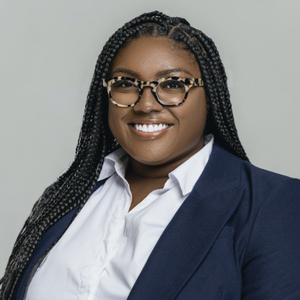
Written and reviewed by Jireh Davis, J.D., MBA
Attorney and mediator at J. Davis Law & Mediation. Licensed in Texas. Practice focused on estate planning, probate, and business law for families and owners across Harris, Fort Bend, Montgomery, Tarrant, and Dallas Counties.
Last reviewed: September 2026 · Citations are to the Texas Estates Code, Texas Property Code, and federal law as noted.
Related pages
Probate Overview
All five Texas paths and how to choose between them.
Executor Duties
Every deadline that starts the day you qualify.
Muniment of Title
The one-hearing option, if your estate qualifies.