⸺ On this page
1. What intestacy mean
2. Community property
3. Separate property
4. The blended family problem
5. Who gets left out entirely
6. What heirs have to do next
7. Frequently asked questions
What intestacy means
There is a persistent myth that if you die without a will, the State of Texas takes your property. That is not what happens. Escheat to the state is a genuine last resort that almost never occurs; there is nearly always a relative somewhere in the statutory scheme.
What actually happens is worse in a quieter way: your property goes to the people the Legislature chose, in the shares the Legislature chose, on a schedule that ignores everything you knew about your own family. It also costs your heirs considerably more to sort out than probating a will would have.
Community property
Community property is generally everything acquired during the marriage other than by gift or inheritance. Your spouse already owns half of it. Intestacy decides only what happens to your half.
| Your family | Where your half of the community estate goes |
| Spouse, and all your children are also your spouse’s children | All to the surviving spouse |
| Spouse, and you have at least one child who is not your spouse’s child | All to your children or descendants — none to your spouse |
| Spouse, no children or descendants | All to the surviving spouse |
Texas Estates Code § 201.003
The community estate passes to the surviving spouse where all of the surviving children and descendants of the deceased spouse are also children or descendants of the surviving spouse. Otherwise, the deceased spouse’s undivided one-half interest in the community estate passes to the deceased spouse’s children or other descendants, distributed under § 201.101.
Separate property
Separate property is what you owned before the marriage, plus anything you received during the marriage by gift or inheritance. The rules here divide property even in a straightforward first marriage.
| Your family | Separate personal property | Separate real property (land) |
| Spouse and children/descendants | 1/3 to spouse, 2/3 to children | Life estate in 1/3 to spouse; remainder to children |
| Spouse, no children or descendants | All to spouse | 1/2 to spouse outright; 1/2 by descent to parents/siblings — unless there are none, in which case all to spouse |
| Children, no spouse | All to children | All to children |
| No spouse, no children | Parents, then siblings and their descendants, then more remote kin under Ch. 201 | |
Look closely at the life estate. A surviving spouse who receives a life estate in one-third of the land does not own it and cannot sell it. She has the right to use it for life; the children own the remainder. Selling requires everyone to agree and to divide the proceeds by actuarial value. It is a recipe for a family that cannot move forward.
The blended family problem
This is the scenario we see more than any other, and it is entirely preventable.
A man marries, has two children, divorces, and remarries. He and his second wife buy a house together and live in it for twenty years. He has no will. He dies.
What he assumed: the house goes to his wife.
What Texas law does: because he has children who are not his wife’s children, his one-half interest in the community estate — including his half of the house — passes to his two children under § 201.003. His wife keeps her own half. She now co-owns her home with two adult stepchildren.
She generally has homestead rights allowing her to remain in the house for life. The children own an interest they cannot occupy, cannot sell without her, and did not ask for. Nobody in this picture got what he wanted, and the legal fees to sort it out come out of the same estate.
The fix costs a fraction of the problem. A will, and often a lady bird deed or a trust for the house, resolves this in a single planning meeting. See estate planning.
Who gets left out entirely
- Unmarried partners. Zero, regardless of how long you were together, unless an informal marriage can be proven.
- Stepchildren you never adopted. Zero, no matter who raised them.
- Friends, godchildren, caregivers. Zero.
- Charities. Zero.
- Anyone you specifically wanted to exclude. Intestacy has no mechanism for disinheriting an estranged child. They take their statutory share.
And a category people forget: intestacy cannot nominate a guardian for your minor children. Only a will does that.
What heirs have to do next
If you are reading this because someone has already died without a will, here is the practical sequence.
01
Establish the heirs
An affidavit of heirship or a judicial determination under Chapter 202. Nothing transfers until this is settled.
02
Pick a procedure
A small estate affidavit if you qualify, or an administration. Independent administration requires all heirs to agree under § 401.003.
03
Consider a settlement agreement
Adult heirs who all agree can redistribute the estate among themselves by family settlement agreement, which Texas courts generally honor.
Frequently asked questions
Who inherits if I die without a will in Texas?
It depends on whether the property is community or separate, and on whether all of your children are also your surviving spouse’s children. Under Estates Code § 201.003, if all your surviving children and descendants are also the surviving spouse’s, your half of the community estate passes to your spouse. If you have any child who is not your spouse’s child, your one-half interest in the community estate passes to your children instead — not to your spouse.
Does my spouse automatically get everything in Texas?
No, and this is the assumption that causes the most damage. Even in a first marriage with shared children, your separate property is split: under § 201.002, your spouse takes one-third of your separate personal property and a life estate in one-third of your separate land, with the rest going to your children. Only where you have no children or descendants does the spouse take all separate personal property — and even then only half the land outright unless you also leave no parents, siblings, or their descendants.
What happens to the house?
The house follows the community or separate property rules like everything else, subject to the surviving spouse’s homestead rights. A surviving spouse generally has the right to occupy the homestead for life even where the children own an interest in it — which frequently produces the worst outcome of all: a spouse who can live in a house she cannot sell, co-owned with stepchildren who cannot force her out but will not agree to anything either.
Do unmarried partners inherit anything in Texas?
Nothing. Texas intestacy recognizes spouses, descendants, parents, siblings, and more remote relatives. A partner of thirty years who was never married and is not a documented informal (common law) spouse inherits zero. This is the single most preventable tragedy in Texas estate law.
What about a common law marriage?
Texas recognizes informal marriage where the couple agreed to be married, lived together in Texas as spouses, and represented to others that they were married. An informal spouse can inherit — but proving it after death, against heirs who dispute it, is contested litigation. A declaration of informal marriage filed with the county is far better evidence than testimony.
What do the heirs actually have to do?
Establish who they are, legally, before anything can transfer. That usually means an affidavit of heirship or a judicial determination of heirship, and often an administration on top of it. It is a more expensive and slower process than probating a will — the cost of intestacy is paid by the family, not by the person who didn’t make the will.
Can we all just agree to divide things differently?
Often yes. Adult heirs who agree can enter a family settlement agreement redistributing the estate among themselves, and Texas courts generally honor them. Everyone must be an adult with capacity and must agree, and creditors’ rights are not affected. It is a genuinely useful tool when the statutory result is one nobody wants.
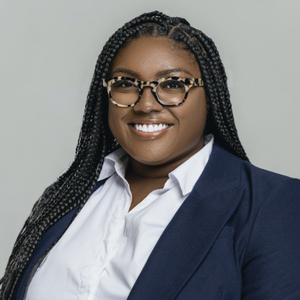
Written and reviewed by Jireh Davis, J.D., MBA
Attorney and mediator at J. Davis Law & Mediation. Licensed in Texas. Practice focused on estate planning, probate, and business law for families and owners across Harris, Fort Bend, Montgomery, Tarrant, and Dallas Counties.
Last reviewed: September 2026 · Citations are to the Texas Estates Code, Texas Property Code, and federal law as noted.
Related pages
Heirship
Establishing who the legal heirs are — the required first step.
Small Estate Affidavits
The shortcut for modest intestate estates.
Estate Planning
Fix this before it happens. It takes one meeting.